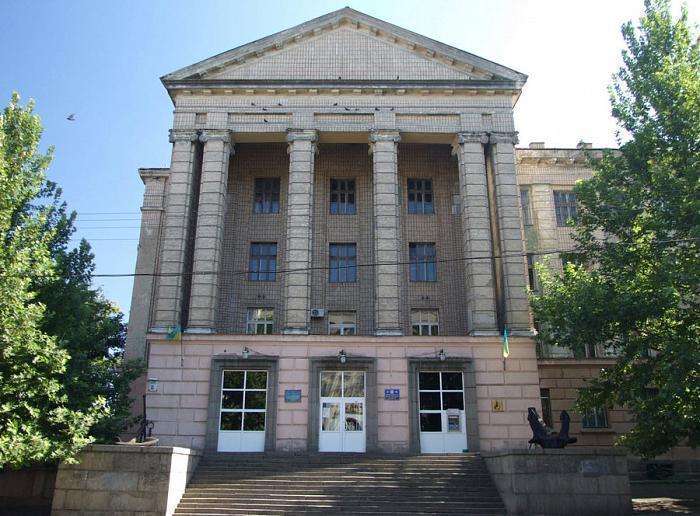
BOILERS FOR THE KOSTYANTYNIVKA ELEVATOR
Installed 3 boilers with a total capacity of 200 kW to heat a modern grain elevator using straw and sunflower husk pellets.
- 👤 Client Kostyantynivka Grain Elevator
- 📅 Start Date February 21, 2017
- ⏳ End Date July 1, 2017
- 📍 Location Kostyantynivka, Mykolaiv Region
- 💲 Project Value $50,000
DESCRIPTION
Q – We would like to know your overall impression of the equipment after the heating season.
– Speaking briefly, we had no doubts about whether we needed to install such equipment, because the investors who built this facility also own production plants where they manufacture pellets. From the very beginning, we were considering pellet boilers. The only thing we were unsure about was the quality of your boilers, because we knew that we would have several facilities where boilers would be installed — not one boiler room, but two, and now it turned out to be three. But after installing the first boiler in this building and seeing how it works, we contacted you again, and now we have installed boilers in the second and third boiler rooms. This solution is more economical, and based on the results of this heating season, we are fully satisfied. When visitors come, we confidently show both your equipment and our facilities.
The only thing that you and others need to do is continue explaining and demonstrating to people how these boilers work, because it is not always simple. For example, when people ask me about installing pellet boilers in private houses, I always say that it must be planned from the very beginning. If the infrastructure is already built, sometimes it becomes inconvenient.
Q – Which pellets do you primarily use — straw pellets or sunflower husk pellets?
– We have two types of pellets because the owners produce them at two different facilities. We started with straw pellets but eventually switched to sunflower pellets. For us, they turned out to be a better option — both in terms of combustion quality and in terms of cleaning intervals. We prefer sunflower pellets. Straw pellets can be used not only for heating but also for other household purposes.
Q – Did you experience any malfunctions or equipment failures? If so, how quickly were they fixed?
– I can say this: at first, during the first days while the system was being configured, there were some issues, but I understand perfectly well that these are normal technological adjustments. After that, everything worked properly.
I also want to mention that we considered different manufacturers. Some offered cheaper options, because economic factors always matter. But we expect long-term cooperation specifically with you because of the service and operational support you provide. Even though your price was slightly higher, we chose your equipment due to its quality.
Q – Have you considered what is more economical — gas heating or pellet boilers? If connecting natural gas were possible, would it be beneficial?
– Connecting gas is possible even now: we already have medium-pressure gas supplied to the facility. We also had low-pressure gas earlier because the main gas consumer is our grain dryer. It is very powerful, and naturally, we run it when needed. We built it specifically so we could provide drying services to local farmers.
In the future, the situation may change, because many facilities such as elevators and terminals are already converting gas burners on their dryers to pellet burners. So our approach to this will also change. These are not pellet boilers — this is different heating equipment. If our enterprise continues to grow, we will consider replacing the dryer with a pellet dryer.
We initially calculated both gas heating and pellet heating costs. Even if the price were the same, gas would be more convenient. But since pellet boilers turned out to be significantly more economical, we chose pellet boilers.
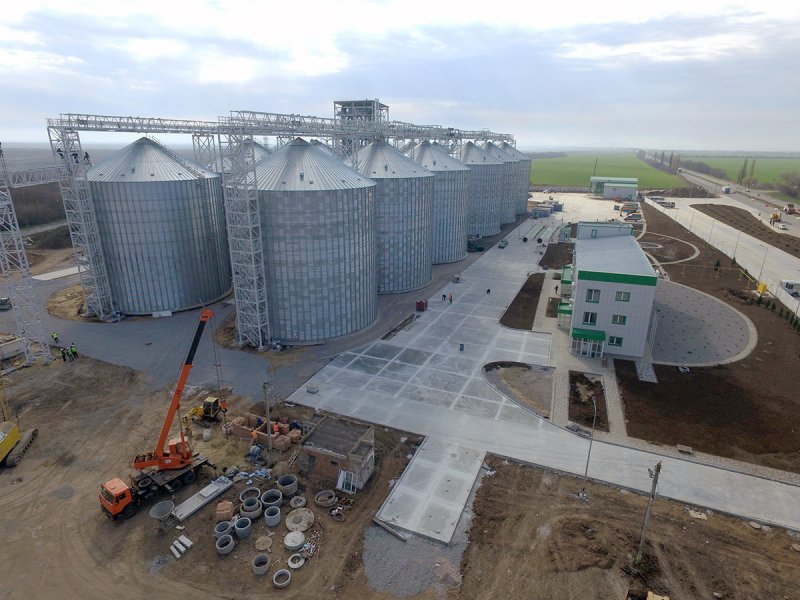
The complex was equipped quickly and efficiently — we are already saving money and starting to recoup the equipment this winter!